



 Book
Book





Brixen city
A city full of history
Art, culture and history play and important role in the historic city centre of Brixen. Brixen is considered the oldest town in historic Tyrol and today lies in South Tyrol, Italy. The first record of its existence dates back to 901 when mention was made of a place called “Prihsna”. In the years that followed, this early settlement gradually grew into a town; a local parish was established and construction work began on the cathedral and bishop’s palace, as well as the town walls which were completed in around 1150. For centuries, Brixen was an influential seat of the prince-bishops and acted as a bridge between Southern Germany and Upper Italy. The Renaissance left its mark, but it was the baroque period which really shaped the town and its architecture. Later, following the construction of the Brenner railway in 1867, Brixen became a flourishing spa town. Like many other places, Brixen experienced hard times during the First World War when it served as a garrison town and military hospital base. The subsequent arrival of Fascism and the Second World War brought further suffering to the town.
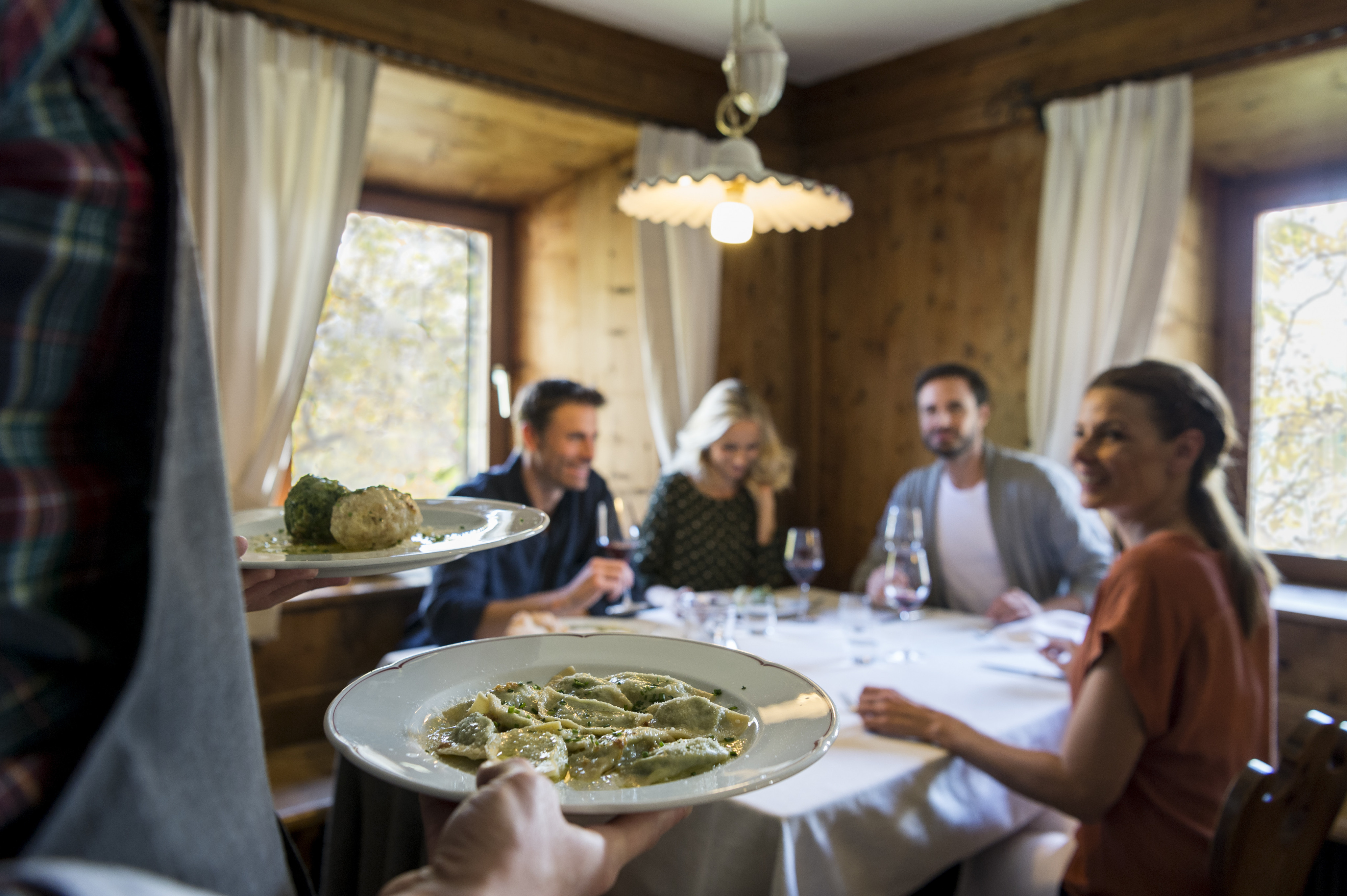
The cathedral in Brixen, the many listed sacred buildings, the large-scale medieval historic centre, the arcades and the narrow streets framed by merlons, museum treasures, craft tradition and archaeological exhibits wait to be discovered. Modern cafés and excellent restaurants as well as attractive shops and entertaining events make the historic centre of Brixen an individual experience.


Good to know about the town
over 1000 years of history

in the old town and almost 50 in Brixen and its surrounding villages
Brixen's old town is full of top spots, fine restaurants and hip bars
with personal assistance, quality products and the latest trends


Brixen’s old town
Yes. The medieval centre is compact, with many sights, shops and places to eat close together. Large parts of the centre are pedestrianised or traffic-calmed. You can walk or take a bus from the railway station. Comfortable footwear is still useful because cobbles, lanes and some entrances can be uneven.
Key sights include Cathedral Square with the cathedral and cloister, the Hofburg and Herrengarten, the Great and Small Arcades, the historic Stufels quarter and the confluence of the Eisack and Rienz rivers. Smaller lanes, fountains and churches also shape the townscape. Check current opening hours for museums and interiors.
Around half a day is enough for a first walk through Brixen’s old town. To include the cathedral, cloister, Hofburg, museums, shops and a stop for food or a drink, it is better to allow more time. Add a guided town tour or an excursion to Neustift Abbey or Mount Plose, Brixen’s local mountain, and this can easily become a stay of several days. Check opening hours and guided-tour times in advance.
Brixen railway station is within walking distance of the old town. Depending on your destination and luggage, the walk takes only a few minutes to around a quarter of an hour; town buses also connect the station with the centre and nearby villages. If you have limited mobility or heavy luggage, check the most suitable bus connection.
Yes. Depending on the season, Brixen offers classic town tours and themed experiences focusing on history, architecture, traditions or particular places. Some are multilingual, while others run separately by language. Check the date, meeting point, duration, price and booking requirements; private tours can also be requested for groups.
Brixen is considered the oldest town in historic Tyrol and today lies in South Tyrol, Italy. It was first mentioned in a document as early as 901. The old town brings together medieval lanes and arcades, sacred buildings, prince-bishop history, Baroque architecture and everyday life. Cafés, restaurants, small shops, local crafts and events ensure that the historic centre is not an open-air museum, but a living urban space.
Many central streets and squares are step-free, but historic paving, steps and older buildings can create barriers. If you use a wheelchair or pushchair, check the route and entrances in advance. Museums, churches, toilets and parking areas have different access conditions. Brixen’s accessibility information can help you plan realistically.